Post
Best Pretend Play Toys for Creative Kids

May
Best Pretend Play Toys for Creative Kids
Pretend play is one of the most important activities in childhood development. Through imaginative role-playing, children learn how to express emotions, solve problems, communicate with others, and explore the world around them. In 2026, pretend play toys remain some of the best educational and entertainment tools for kids because they encourage creativity, storytelling, independence, and social development in fun and engaging ways.
Unlike passive digital entertainment, pretend play toys allow children to actively create their own stories and experiences. Whether they are pretending to run a restaurant, become a doctor, build a city, or care for dolls, imaginative play helps children develop critical thinking and emotional intelligence while staying entertained for hours.
Research continues to show that pretend play supports language development, emotional regulation, problem-solving abilities, and cognitive flexibility. Child development experts widely recommend imaginative toys because they help children build confidence and creativity naturally through play. (parents.com)
In this guide, we will explore the best pretend play toys for creative kids, their developmental benefits, and how parents can choose the right imaginative toys for different age groups.
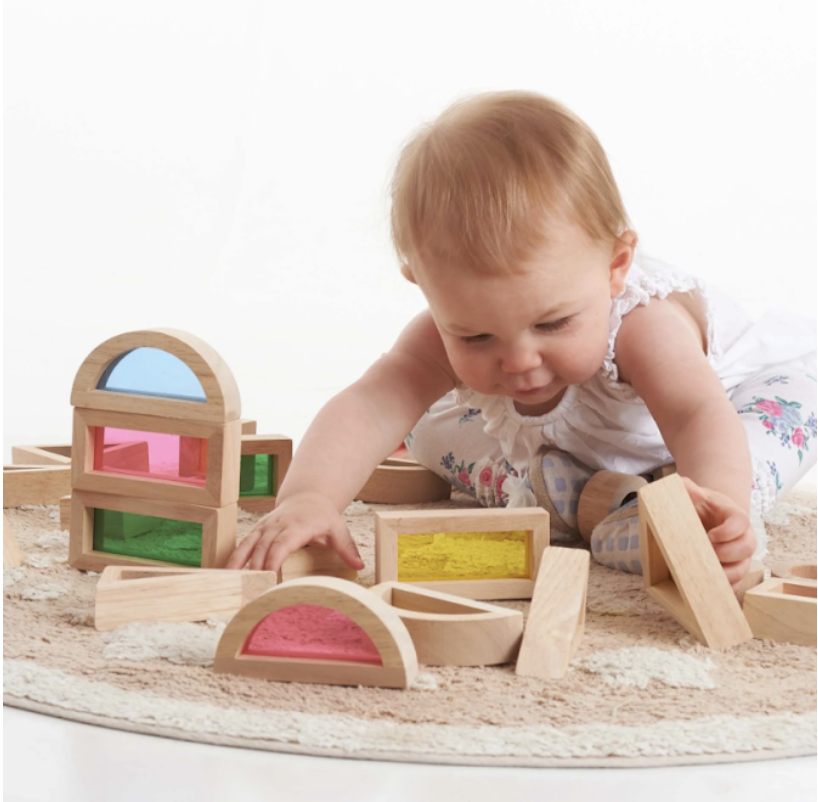
Why Pretend Play Is Important for Kids
Pretend play is much more than simple entertainment. It helps children develop essential life skills while encouraging independent thinking and emotional growth.
Benefits of Pretend Play Toys
1. Encourages Creativity and Imagination
Pretend play allows children to:
- Create stories
- Invent characters
- Solve fictional problems
- Explore different roles
- Express ideas freely
Open-ended imaginative play helps children become more flexible and creative thinkers. (toxigon.com)
2. Supports Emotional Development
Role-playing activities help children:
- Understand emotions
- Practice empathy
- Express feelings
- Build confidence
- Learn social behavior
For example, children pretending to be doctors or teachers often imitate caring behaviors they observe in real life.
3. Improves Communication Skills
Pretend play encourages children to:
- Speak creatively
- Build vocabulary
- Practice conversations
- Develop storytelling abilities
Educational experts continue to emphasize the strong connection between imaginative play and language development. (parents.com)
4. Develops Problem-Solving Skills
During imaginative play, children constantly:
- Make decisions
- Create solutions
- Organize ideas
- Adapt scenarios
These activities naturally strengthen critical thinking and independent learning abilities.
5. Reduces Excessive Screen Time
Pretend play toys provide healthy screen-free entertainment that keeps children mentally engaged for long periods.
Many families now prioritize open-ended toys that encourage creativity instead of passive digital consumption. (parents.com)
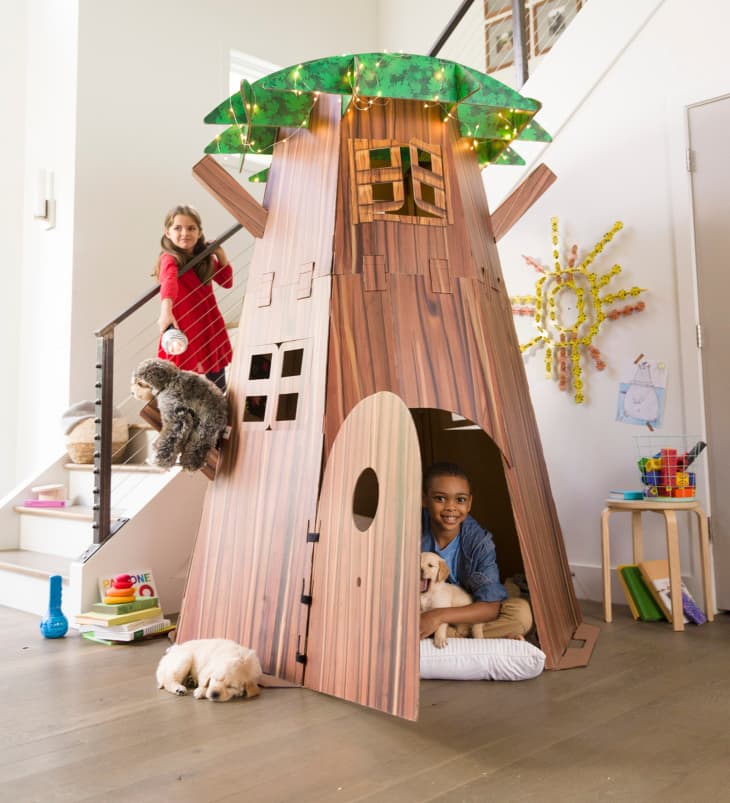
Best Pretend Play Toys for Creative Kids in 2026
1. Play Kitchens and Cooking Sets
Pretend kitchens remain some of the most popular imaginative toys for children.
Kids can:
- Pretend to cook meals
- Serve food
- Run restaurants
- Organize kitchens
- Role-play family activities
Why Kids Love Them
Cooking toys allow children to imitate real-life experiences they see every day.
Skills Developed
- Creativity
- Communication
- Organization
- Social interaction
Wooden kitchen sets and realistic food accessories remain especially popular in 2026 because they encourage long-term imaginative play. (littleonemag.com)
2. Doctor Kits
Pretend doctor toys allow children to role-play medical situations using toy:
- Stethoscopes
- Thermometers
- Syringes
- Bandages
- Medical bags
Educational Benefits
Doctor kits help children:
- Practice empathy
- Build communication skills
- Reduce fear of medical visits
- Understand caregiving roles
Parents often notice that children become more comfortable with real doctor appointments after medical role-play activities. (easytot.com)
3. Grocery Store and Café Play Sets
Pretend shops and café toys remain extremely popular because children enjoy imitating shopping and business activities.
Popular features include:
- Toy cash registers
- Food displays
- Shopping baskets
- Menus
- Play money
Skills Developed
- Counting
- Communication
- Social interaction
- Organizational skills
These toys also support early math and money-management learning.
4. Tool Benches and Construction Toys
Tool sets allow children to pretend they are:
- Builders
- Engineers
- Mechanics
- Carpenters
Why They’re Valuable
Construction role-play encourages:
- Problem-solving
- Creativity
- Hand-eye coordination
- Fine motor development
Modern STEM-inspired tool benches now include building challenges and engineering-style activities. (toxigon.com)
5. Dollhouses and Dolls
Dolls and dollhouses continue to be timeless pretend play toys.
Children can create stories involving:
- Families
- Friendships
- Adventures
- Daily routines
Emotional Benefits
Doll play helps children:
- Explore emotions
- Practice empathy
- Develop nurturing behaviors
- Improve storytelling skills
Experts continue recommending doll play for social and emotional development. (easytot.com)
6. Dress-Up Costumes
Dress-up toys allow children to become:
- Superheroes
- Doctors
- Firefighters
- Princesses
- Astronauts
- Scientists
Why Kids Enjoy Dress-Up Play
Costumes encourage:
- Confidence
- Self-expression
- Imaginative storytelling
- Creative role exploration
Pretend costumes are especially effective for group play and social interaction.
7. Puppet Theaters and Puppets
Puppet play remains one of the best tools for creative storytelling.
Children use puppets to:
- Create characters
- Perform stories
- Practice conversations
- Express emotions
Educational Value
Puppetry improves:
- Communication
- Creativity
- Emotional expression
- Public speaking confidence
8. Toy Workbenches and Repair Kits
Repair-themed pretend toys encourage children to:
- Fix objects
- Build structures
- Solve mechanical challenges
Skills Developed
- Engineering thinking
- Motor coordination
- Problem-solving
- Creativity
These toys are especially popular among STEM-focused families in 2026.
9. Pretend Cleaning Sets
Children often enjoy imitating everyday household activities.
Popular pretend cleaning toys include:
- Toy vacuums
- Mops
- Cleaning carts
- Dustpans
Benefits
These toys encourage:
- Responsibility
- Independence
- Organizational habits
- Cooperative play
Many parents appreciate that children enjoy participating in household routines through imaginative play.
10. STEM Pretend Play Kits
Modern STEM pretend play toys combine:
- Science experiments
- Engineering projects
- Space exploration
- Robotics role-play
Why They’re Trending
Parents increasingly seek toys that combine creativity with educational value.
STEM role-play kits help children imagine future careers while developing curiosity and analytical thinking. (reddit.com)
Best Pretend Play Toys by Age Group
Toddlers (Ages 2–4)
Recommended toys:
- Play kitchens
- Shape sorters
- Cleaning toys
- Simple doll sets
Focus:
Motor skills, imitation, and basic social interaction.
Preschool Kids (Ages 4–6)
Recommended toys:
- Doctor kits
- Grocery store sets
- Dress-up costumes
- Puppet theaters
Focus:
Storytelling, communication, and emotional development.
School-Age Kids (Ages 7–10)
Recommended toys:
- STEM kits
- Construction workbenches
- Advanced dollhouses
- Creative building sets
Focus:
Problem-solving, creativity, and independent role-play.
How to Choose the Best Pretend Play Toys
1. Choose Open-Ended Toys
The best pretend play toys allow children to:
- Create their own stories
- Use imagination freely
- Explore different roles
Avoid overly scripted toys with limited creativity options.
2. Match the Child’s Interests
Children stay engaged longer when toys reflect their personal interests.
Popular themes include:
- Cooking
- Animals
- Space
- Superheroes
- Science
- Construction
3. Look for Durable and Safe Materials
Parents should prioritize:
- Non-toxic materials
- Smooth edges
- Strong construction
- Age-appropriate designs
Eco-friendly wooden pretend play toys continue growing in popularity. (littleonemag.com)
4. Encourage Social Play
Pretend play becomes even more valuable when children:
- Play together
- Share roles
- Solve problems collaboratively
- Build stories as teams
Group pretend play supports communication and teamwork skills.
Pretend Play Toy Trends in 2026
Pretend play toys continue evolving with educational and creative trends.
Popular trends include:
- STEM role-play kits
- Eco-friendly wooden toys
- Interactive pretend cafés
- Space exploration playsets
- Montessori-inspired toys
- Inclusive and diverse doll collections
Parents increasingly seek toys that balance fun, creativity, and educational development. (parents.com)
Tips for Encouraging More Imaginative Play
To support creative pretend play:
- Give children freedom to invent stories
- Rotate toys regularly
- Join role-play activities occasionally
- Avoid over-controlling gameplay
- Create themed play spaces
- Encourage storytelling and conversation
Experts emphasize that unstructured imaginative play is one of the best ways to support healthy cognitive and emotional growth. (toxigon.com)
Final Thoughts
The best pretend play toys for creative kids provide much more than entertainment. These toys encourage imagination, emotional intelligence, communication, storytelling, and problem-solving while supporting healthy child development through play.
Whether children are cooking in a pretend kitchen, caring for dolls, building structures, running a café, or becoming astronauts and doctors, imaginative toys help transform ordinary playtime into meaningful learning experiences.
By choosing open-ended pretend play toys that match a child’s interests and creativity, parents can encourage confidence, curiosity, independence, and lifelong imaginative thinking in fun and engaging ways.
