Post
Pretend Play Toys That Encourage Social Skills
May
Pretend Play Toys That Encourage Social Skills
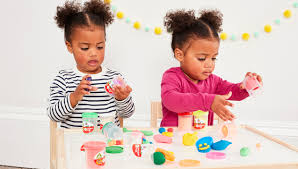
Pretend play toys are far more than simple entertainment for children. They help kids develop communication, empathy, teamwork, problem-solving, and emotional intelligence through imaginative role-playing experiences. In 2026, parents, educators, and child development experts continue to recommend pretend play toys because they provide some of the best opportunities for children to practice social interaction naturally while having fun.
Whether children are pretending to run a restaurant, become doctors, organize tea parties, or act as superheroes, role play allows them to explore relationships, understand emotions, and learn how to cooperate with others. Unlike passive screen-based entertainment, pretend play encourages active participation, conversation, and collaborative storytelling.
Research consistently shows that imaginative play supports language development, social confidence, empathy, and emotional regulation. Experts also note that children who frequently engage in pretend play often develop stronger communication and relationship-building skills.
This guide explores the best pretend play toys that encourage social skills, their developmental benefits, and how parents can use imaginative play to support healthy childhood development.
Why Pretend Play Helps Develop Social Skills
Pretend play creates opportunities for children to practice real-world interactions in safe and creative environments.
Benefits of Pretend Play for Social Development
1. Encourages Communication
Pretend play helps children:
- Practice conversations
- Expand vocabulary
- Learn active listening
- Develop storytelling skills
- Express thoughts and feelings
Children naturally imitate conversations they hear in daily life, which strengthens language and social interaction skills.
2. Teaches Cooperation and Teamwork
Role-playing activities encourage children to:
- Share responsibilities
- Take turns
- Collaborate on stories
- Solve conflicts together
Group pretend play teaches important social behaviors that prepare children for school and friendships.
3. Builds Empathy
Pretend play allows children to step into different roles and perspectives.
Children learn to:
- Understand emotions
- Practice caregiving
- Recognize feelings
- Respond compassionately
Experts explain that role-playing helps children explore emotions safely and better understand how their actions affect others.
4. Encourages Problem-Solving
During pretend play, children constantly:
- Negotiate roles
- Resolve disagreements
- Adapt storylines
- Create solutions together
These experiences help improve social confidence and emotional regulation.
5. Strengthens Confidence
Pretend play gives children opportunities to:
- Lead activities
- Express ideas
- Practice independence
- Build self-esteem
Role-playing also helps shy children become more comfortable interacting socially.

Best Pretend Play Toys That Encourage Social Skills in 2026
1. Play Kitchens and Restaurant Sets
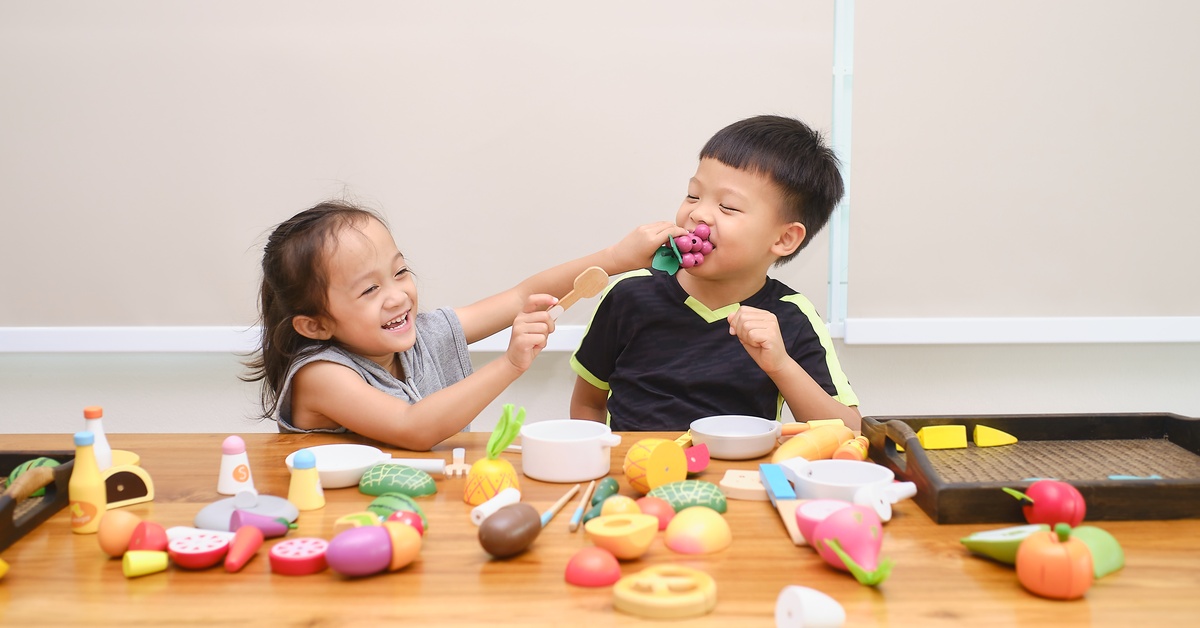
Pretend kitchens remain some of the best toys for cooperative social play.
Children can:
- Cook meals together
- Serve customers
- Share cooking roles
- Host pretend dinner parties
Social Skills Developed
- Teamwork
- Communication
- Sharing
- Turn-taking
Restaurant role play encourages collaborative storytelling and conversation naturally. Experts note that role-based play helps children understand cooperation and group interaction.
2. Doctor and Medical Play Kits
Doctor kits help children practice empathy and caregiving behaviors.
Kids can pretend to:
- Treat patients
- Care for dolls
- Comfort friends
- Work together in medical teams
Social Benefits
Medical role play encourages:
- Compassion
- Emotional understanding
- Communication
- Cooperation
Children also learn how to express care and respond to emotions through pretend caregiving scenarios.
3. Grocery Store and Shopping Play Sets
Pretend store toys encourage children to interact socially through buying, selling, and organizing activities.
Popular accessories include:
- Toy cash registers
- Shopping carts
- Play food
- Pretend money
Skills Developed
- Conversation skills
- Sharing
- Negotiation
- Cooperation
Children naturally practice greetings, teamwork, and problem-solving during shopping role play.
4. Dress-Up Costumes
Dress-up toys allow children to become:
- Superheroes
- Firefighters
- Teachers
- Chefs
- Scientists
- Astronauts
Why They Encourage Social Skills
Costume play supports:
- Group storytelling
- Role-sharing
- Emotional expression
- Social confidence
Experts note that costumes help children better understand different social roles and perspectives.
5. Dollhouses and Dolls
Doll play remains highly effective for social and emotional learning.
Children create stories involving:
- Families
- Friendships
- Daily routines
- Community interactions
Social Benefits
Doll play helps children:
- Practice empathy
- Explore emotions
- Understand relationships
- Improve communication
Pretend family role play also helps children process real-world experiences and emotions.
6. Puppet Theaters and Puppets
Puppets encourage children to:
- Perform stories
- Express emotions
- Practice dialogue
- Collaborate creatively
Skills Developed
- Public speaking
- Active listening
- Emotional communication
- Social interaction
Puppet play is especially useful for children who feel shy during direct conversations.
7. Building and Construction Role Play Toys
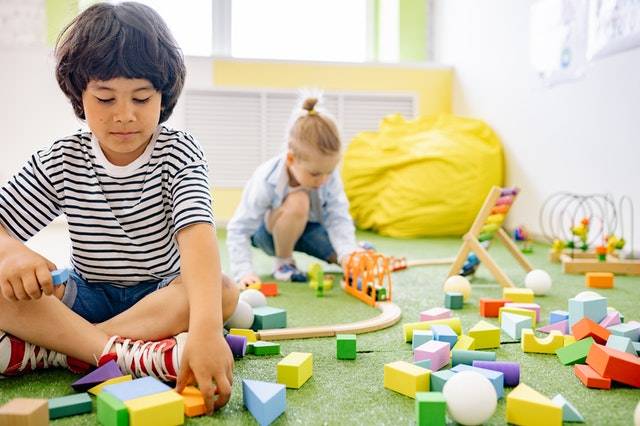
Construction sets encourage children to work together while solving problems creatively.
Popular toys include:
- Tool benches
- Building blocks
- Construction helmets
- Engineering kits
Social Skills Developed
- Teamwork
- Leadership
- Negotiation
- Collaborative problem-solving
Group building projects naturally encourage cooperation and communication.
8. Tea Party and Hosting Sets
Pretend tea party toys encourage children to:
- Serve guests
- Practice manners
- Share responsibilities
- Engage in conversation
Benefits
These toys help children:
- Develop polite communication
- Practice hospitality
- Improve social confidence
- Learn sharing behaviors
Tea party role play remains especially popular among preschool children.
9. Pretend School and Classroom Sets
Classroom role play allows children to:
- Become teachers
- Organize lessons
- Practice leadership
- Collaborate with peers
Skills Developed
- Leadership
- Listening
- Communication
- Organization
Children often imitate real classroom experiences during imaginative school play.
10. Pretend Play Houses and Tents
Playhouses provide children with shared imaginative spaces where they can create stories together.
Why They’re Effective
Pretend play houses encourage:
- Cooperation
- Shared storytelling
- Role negotiation
- Friendship building
Many parents and educators recommend pretend play houses because they support collaborative imagination and social interaction.
Best Pretend Play Toys by Age Group
Toddlers (Ages 2–4)
Recommended toys:
- Play kitchens
- Puppet toys
- Simple costumes
- Toy food sets
Focus:
Basic communication, sharing, and imitation.
Preschool Kids (Ages 4–6)
Recommended toys:
- Doctor kits
- Grocery store sets
- Tea party toys
- Dollhouses
Focus:
Cooperation, empathy, and group storytelling.
School-Age Kids (Ages 7–10)
Recommended toys:
- STEM role play kits
- Classroom sets
- Construction toys
- Advanced costume sets
Focus:
Leadership, teamwork, and collaborative problem-solving.
How Parents Can Encourage Social Skills Through Pretend Play
1. Encourage Group Play
Pretend play becomes more valuable when children:
- Share roles
- Create stories together
- Solve conflicts cooperatively
- Practice teamwork
Playdates are especially effective for strengthening social development.
2. Allow Children to Lead
Experts recommend letting children:
- Create their own stories
- Decide the rules
- Organize roles independently
This helps build confidence and independent thinking.
3. Participate Occasionally
Parents can support pretend play by:
- Asking questions
- Joining role-play occasionally
- Encouraging storytelling
- Modeling positive communication
Child development specialists emphasize that parent participation strengthens emotional connection and language development.
4. Choose Open-Ended Toys
The best pretend play toys allow children to:
- Use imagination freely
- Create multiple scenarios
- Adapt stories creatively
Experts consistently recommend open-ended toys because they encourage deeper social interaction and creativity.
Pretend Play Trends in 2026
Modern pretend play toys continue evolving with educational trends.
Popular trends include:
- STEM role play kits
- Eco-friendly wooden toys
- Montessori-inspired pretend sets
- Inclusive doll collections
- Interactive café and restaurant play
- Space exploration role play
Parents increasingly prioritize toys that combine creativity, communication, and social learning.
Final Thoughts
Pretend play toys that encourage social skills provide children with meaningful opportunities to practice communication, empathy, cooperation, and emotional understanding through imaginative play.
Whether children are cooking together in pretend kitchens, caring for dolls, hosting tea parties, becoming doctors, or building imaginative worlds in playhouses, role play activities help strengthen the social abilities they will use throughout life.
By choosing open-ended pretend play toys and encouraging collaborative storytelling, parents can help children develop confidence, emotional intelligence, creativity, and healthy social relationships while having endless fun through imaginative play.
