Post
Educational Pretend Play Toys for Early Learning
May
Educational Pretend Play Toys for Early Learning
Educational pretend play toys are some of the most effective tools for supporting early childhood development because they combine imagination, creativity, communication, and hands-on learning into one engaging experience. In 2026, parents and educators continue to prioritize pretend play toys because they help children develop important cognitive, emotional, social, and problem-solving skills while making learning fun and interactive.
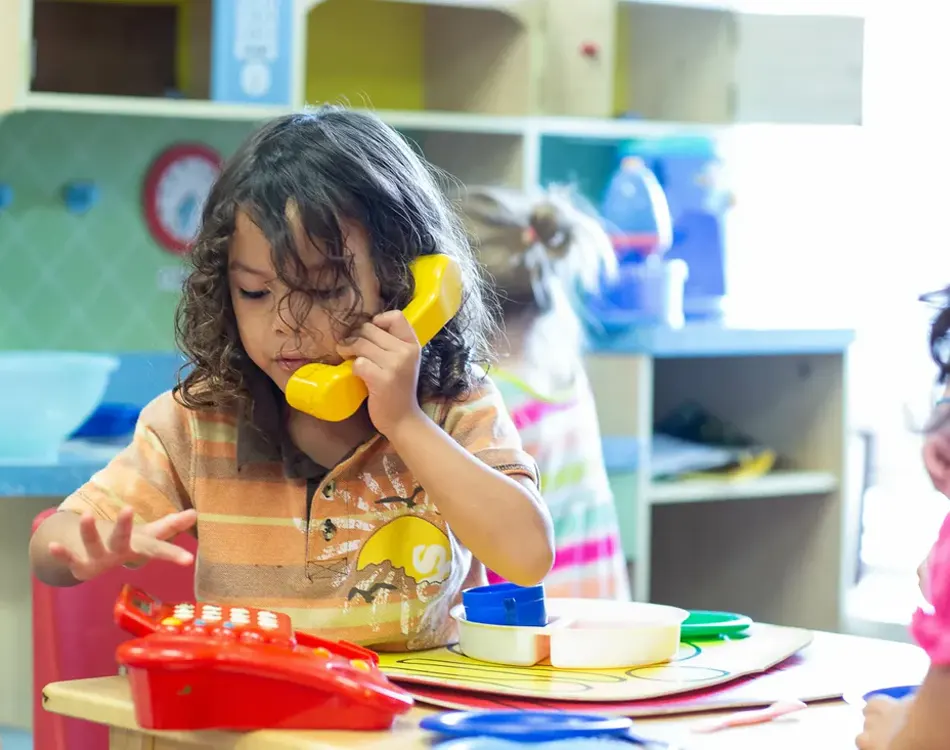
Young children naturally learn through imitation and imaginative role play. Whether they are pretending to cook meals, care for patients, teach classrooms, run grocery stores, or build structures, pretend play allows them to explore the world around them while practicing real-life skills in safe and creative ways.
Unlike passive entertainment, educational pretend play toys encourage children to actively participate in storytelling, communication, and exploration. Research consistently shows that imaginative play supports language development, emotional intelligence, independent thinking, and social confidence during the critical early learning years.
This guide explores the best educational pretend play toys for early learning, their developmental benefits, and how parents can choose the right imaginative toys for different age groups.

Why Educational Pretend Play Is Important
Pretend play supports healthy childhood development by allowing children to explore ideas, emotions, and social situations creatively.
Benefits of Educational Pretend Play Toys
1. Encourages Creativity and Imagination
Pretend play allows children to:
- Create stories
- Invent characters
- Explore imaginary worlds
- Solve pretend problems
- Experiment with ideas
Open-ended imaginative play helps children become flexible and creative thinkers.
2. Supports Language Development
Role-play activities encourage children to:
- Practice conversations
- Learn new vocabulary
- Improve storytelling skills
- Build communication confidence
Children often imitate real-life conversations they hear during everyday routines.
3. Builds Social and Emotional Skills
Pretend play helps children:
- Practice empathy
- Learn cooperation
- Understand emotions
- Improve teamwork
- Build confidence
Role-playing different situations allows children to safely explore emotions and relationships.
4. Improves Problem-Solving Abilities
During pretend play, children naturally:
- Organize ideas
- Make decisions
- Adapt stories creatively
- Solve imaginative challenges
These experiences strengthen critical thinking and independent learning skills.
5. Encourages Healthy Screen-Free Learning
Educational pretend play toys provide hands-on learning experiences without relying heavily on screens.
Many families now prioritize interactive toys that encourage active participation and long-term engagement.
Best Educational Pretend Play Toys for Early Learning
1. Pretend Play Kitchens
Play kitchens remain one of the most popular educational pretend play toys for young children.
Children can:
- Prepare meals
- Organize ingredients
- Serve pretend customers
- Practice family routines
Educational Benefits
Kitchen play encourages:
- Creativity
- Communication
- Social interaction
- Organization skills
Pretend cooking also supports storytelling and cooperative group play.
2. Doctor and Medical Kits
Medical role-play toys allow children to become:
- Doctors
- Nurses
- Veterinarians
- Caregivers
Common accessories include:
- Stethoscopes
- Thermometers
- Bandages
- Medical bags
Skills Developed
Doctor kits help children:
- Practice empathy
- Improve communication
- Build confidence
- Reduce fear of doctor visits
Medical role play also teaches caregiving and emotional understanding.
3. Grocery Store and Cash Register Sets
Pretend grocery stores help children imitate real-world shopping experiences.
Kids can:
- Organize products
- Count pretend money
- Scan groceries
- Interact with customers
Educational Value
Store role play encourages:
- Basic math skills
- Communication
- Problem-solving
- Cooperation
Pretend shopping games also help children practice social interaction and responsibility.
4. Classroom and Teacher Play Sets
Teacher role-play toys allow children to:
- Pretend to teach lessons
- Organize classrooms
- Read books
- Lead activities
Benefits
Pretend classroom play supports:
- Leadership
- Communication
- Creativity
- Organization
Children often enjoy imitating real classroom experiences through imaginative teaching activities.
5. Construction and Builder Toys
Builder role-play toys remain highly recommended for STEM-related early learning.
Popular accessories include:
- Toy tools
- Building blocks
- Hard hats
- Workbenches
Skills Developed
Construction play improves:
- Fine motor coordination
- Spatial reasoning
- Creativity
- Problem-solving
Open-ended building toys also encourage independent experimentation.
6. Puppet Theaters and Puppets
Puppets help children:
- Tell stories
- Practice dialogue
- Express emotions
- Create characters
Educational Benefits
Puppet play strengthens:
- Language skills
- Emotional expression
- Public speaking confidence
- Creativity
Puppet storytelling is especially effective for shy or quiet children.
7. Dress-Up and Career Role Play Toys
Career-themed costumes allow children to become:
- Firefighters
- Scientists
- Chefs
- Astronauts
- Police officers
- Artists
Why They’re Valuable
Dress-up toys encourage:
- Imaginative storytelling
- Social confidence
- Emotional development
- Exploration of interests
Career role play also introduces children to real-world professions.
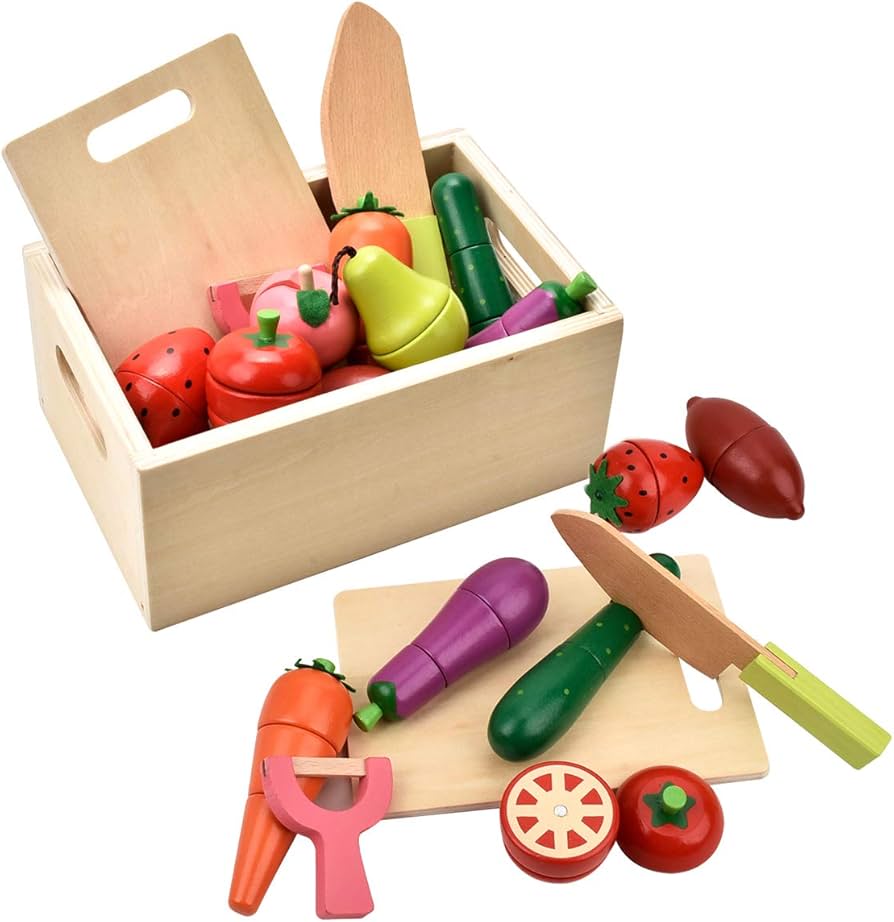
8. Pretend Food and Cooking Accessories
Pretend food toys help children:
- Learn food names
- Practice sorting
- Explore healthy eating
- Create imaginative meals
Skills Developed
Pretend food play supports:
- Vocabulary building
- Creativity
- Fine motor development
- Social interaction
Many educational food toys now include color-matching and counting activities.
9. Playhouses and Role Play Spaces
Indoor playhouses create environments where children can:
- Build stories
- Play family roles
- Host pretend cafés
- Create adventures
Benefits
Playhouses encourage:
- Teamwork
- Communication
- Creativity
- Emotional confidence
Private imaginative spaces often inspire longer periods of focused play.
10. STEM Pretend Play Toys
Modern educational role-play toys increasingly combine imagination with STEM learning.
Popular STEM themes include:
- Science labs
- Engineering stations
- Robotics workshops
- Space exploration kits
Educational Value
STEM pretend play encourages:
- Curiosity
- Critical thinking
- Experimentation
- Problem-solving
Parents increasingly seek imaginative toys that support future-ready learning skills.
Best Pretend Play Toys by Age Group
Toddlers (Ages 2–4)
Recommended toys:
- Simple kitchens
- Puppet toys
- Soft pretend food
- Basic doctor kits
Focus:
Sensory exploration, imitation, and communication.
Preschool Kids (Ages 4–6)
Recommended toys:
- Grocery store sets
- Classroom role play
- Dress-up costumes
- Builder workbenches
Focus:
Creativity, social skills, and storytelling.
School-Age Kids (Ages 7–10)
Recommended toys:
- STEM role play kits
- Science labs
- Advanced construction toys
- Career exploration sets
Focus:
Problem-solving, leadership, and independent learning.
How to Choose the Best Educational Pretend Play Toys
1. Prioritize Open-Ended Play
The best pretend play toys allow children to:
- Create original stories
- Explore ideas freely
- Adapt play creatively
Open-ended toys remain engaging much longer than heavily scripted toys.
2. Match the Child’s Interests
Children stay more engaged when pretend play themes align with their natural interests.
Popular interests include:
- Cooking
- Animals
- Space
- Science
- Construction
- Community helpers
3. Choose Safe and Durable Materials
Parents should prioritize toys that are:
- Non-toxic
- Durable
- Comfortable to use
- Age-appropriate
Wooden educational toys continue growing in popularity because of their long-lasting quality.
4. Encourage Social Interaction
Pretend play becomes even more valuable when children:
- Share roles
- Solve problems together
- Build stories collaboratively
- Practice teamwork
Group imaginative play supports healthy communication and emotional development.
Educational Pretend Play Trends in 2026
Educational pretend play toys continue evolving with modern learning trends.
Popular trends include:
- Montessori-inspired pretend toys
- Eco-friendly wooden playsets
- STEM role-play systems
- Inclusive career costumes
- Interactive café and market play
- Modular educational playhouses
Parents increasingly seek toys that combine creativity, learning, and long-term developmental value.

Tips for Encouraging Early Learning Through Pretend Play
To make pretend play even more educational:
- Rotate toys regularly
- Add books related to play themes
- Encourage storytelling
- Ask open-ended questions
- Create themed play spaces
- Allow children to lead imaginative scenarios
Experts consistently emphasize that child-led imaginative play supports healthy cognitive and emotional growth.
Final Thoughts
Educational pretend play toys for early learning provide children with meaningful opportunities to explore creativity, communication, problem-solving, and social interaction through hands-on imaginative experiences.
Whether children are cooking pretend meals, caring for patients, building structures, teaching classrooms, or running grocery stores, pretend play transforms everyday learning into exciting adventures filled with creativity and discovery.
By choosing open-ended educational toys that encourage storytelling and exploration, parents can help children build confidence, emotional intelligence, curiosity, and lifelong learning skills while making playtime both fun and educational.
