Post, Tech Skills
The Joy of Movement: Why Kids Kick Scooters are More Than Just Fun
May
Vượt ra ngoài màn hình: Tác động tiến hóa của xe scooter trẻ em
Trong thời đại mà các thiết bị kỹ thuật số cạnh tranh từng giây phút chú ý của trẻ em, việc tìm kiếm một hoạt động hấp dẫn hơn màn hình độ phân giải cao có thể là một thách thức đáng kể. Tuy nhiên, sức hấp dẫn vượt thời gian của vỉa hè vẫn mạnh mẽ, mang đến trải nghiệm thực tế mà máy tính bảng đơn giản là không thể sao chép. Xe scooter trẻ em đã trở thành lựa chọn hàng đầu của các bậc phụ huynh muốn kết hợp hoạt động thể chất với niềm vui thuần khiết, không pha tạp. Cho dù đó là một vòng chạy nhanh quanh sân nhà ở Đà Nẵng hay một chuyến đi chơi gia đình đã được lên kế hoạch đến công viên địa phương, xe scooter mang lại cảm giác tốc độ và tự do, điều rất cần thiết cho một tuổi thơ khỏe mạnh và năng động.
Đối với học sinh hoặc lập trình viên hiện đại, logic của một chiếc xe scooter rất giống với một đoạn mã được tối ưu hóa: nó hiệu quả, độ trễ thấp và phản hồi nhanh chóng với thao tác của người dùng. Bên cạnh cảm giác phấn khích khi gió lùa vào tóc, xe scooter trẻ em còn là công cụ bí mật giúp phát triển thể chất toàn diện. Chúng thử thách cơ thể trẻ theo những cách mà đi bộ hoặc chạy không thể làm được, giúp xây dựng nền tảng “phần cứng” về khả năng vận động sẽ có lợi cho trẻ suốt đời.

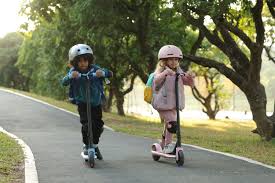
Xe scooter mang đến cảm giác độc lập và phiêu lưu độc đáo cho những nhà thám hiểm trẻ tuổi.
Phát triển khả năng giữ thăng bằng cốt lõi và vật lý chuyển động.
Điều khiển xe scooter là một hoạt động thể chất phức tạp, đòi hỏi sự xử lý dữ liệu thời gian thực giữa mắt, tai trong và cơ bắp. Không giống như xe ba bánh mang lại sự ổn định tĩnh, xe scooter yêu cầu trẻ phải duy trì thăng bằng động trên một mặt phẳng hẹp đồng thời dùng một chân để đẩy mình về phía trước. Hành động này là một bài học tuyệt vời về sự phối hợp hai bên cơ thể .
Cơ chế của cú ngoặt
Để vượt qua khúc cua, trẻ phải hiểu mối quan hệ giữa vận tốc và lực hướng tâm. Trong vật lý, lực ($F_c$) cần thiết để giữ cho xe scooter đi đúng hướng cong có thể được biểu thị như sau:
$$F_c = \frac{mv^2}{r}$$
Trong đó, m là khối lượng của trẻ, v là vận tốc và r là bán kính của khúc cua. Bằng cách nghiêng người khi vào cua, trẻ em tự điều chỉnh trọng tâm của mình để chống lại lực này. Sự điều chỉnh liên tục này giúp kích hoạt các cơ cốt lõi và cải thiện hệ thống tiền đình — “gia tốc kế” bên trong cơ thể con người. Xe scooter cho trẻ em giúp thu hẹp khoảng cách phát triển giữa những bước đi đầu tiên của trẻ mới biết đi và những “bước nâng cấp” phức tạp hơn như đi xe đạp hai bánh.
Lợi ích cho tim mạch: Tối ưu hóa hệ thống cơ thể
Với tỷ lệ trẻ em ít vận động đạt mức đáng lo ngại vào năm 2026, lợi ích về tim mạch của việc cho trẻ em chơi xe scooter là vô cùng quan trọng. Chơi scooter là một hoạt động tiêu hao nhiều năng lượng, giúp tim đập nhanh hơn và phổi hoạt động hết công suất. Không giống như “tập thể dục” mà ta cảm thấy như một việc vặt hoặc một bài tập bắt buộc, chơi scooter mang lại cảm giác như đang chơi đùa thực sự.
Tăng cường khả năng hiếu khí
Một buổi tập 20 phút trên xe scooter giúp đốt cháy calo, tăng cường sức mạnh chân và khuyến khích hít thở sâu, nhịp nhàng. Bằng cách biến hoạt động ngoài trời thành một thói quen vui vẻ hàng ngày, bạn đang giúp con mình phát triển mối quan hệ tích cực với thể dục thể thao—về cơ bản là tối ưu hóa “thời gian hoạt động” của quá trình trao đổi chất. Xe scooter trẻ em biến “không gian ngoài trời” thành một phòng tập thể dục cá nhân, nơi “phí thành viên” duy nhất là một chút sức mạnh đôi chân và một chiếc mũ bảo hiểm chắc chắn.

Bánh xe polyurethane hiệu suất cao đảm bảo vận hành êm ái, tốc độ cao.
Thiết kế chiếc xe hoàn hảo: Lựa chọn phần cứng phù hợp
Để đảm bảo an toàn và tối đa hóa thời gian vui chơi, điều cần thiết là phải lựa chọn xe scooter phù hợp với trình độ phát triển hiện tại của con bạn:
| Xe tay ga | Độ tuổi mục tiêu | Tính năng kỹ thuật chính |
|---|---|---|
| Xe ba bánh dành cho người mới bắt đầu | Từ 2,0 đến 5,0 năm | Kỹ thuật “nghiêng người để điều khiển” giúp học cách giữ thăng bằng an toàn. |
| Chuyên gia xe hai bánh | Hơn 6 năm | Hệ thống lái truyền thống cho phép vào cua gấp hơn và đạt tốc độ cao hơn. |
| Xe tay ga có thể điều chỉnh | Mọi lứa tuổi | Tay lái có thể điều chỉnh độ cao để phù hợp với sự phát triển của người dùng. |
1. Người mới bắt đầu với xe ba bánh (Giai đoạn Beta)
Đối với trẻ mới biết đi, xe trượt ba bánh (thường có hai bánh trước và một bánh sau) cung cấp sự ổn định cần thiết để tránh “va chạm” trong khi trẻ vẫn đang phát triển khả năng phối hợp. Cơ chế “nghiêng người để điều khiển” rất trực quan, cho phép trẻ rẽ bằng cách đơn giản là chuyển trọng lượng cơ thể, mô phỏng cách chúng di chuyển tự nhiên.
2. Chuyên Gia Xe Hai Bánh (Phiên bản đầy đủ)
Khi trẻ đã thành thạo kỹ năng giữ thăng bằng, xe scooter hai bánh truyền thống sẽ mang đến thử thách lớn hơn. Những mẫu xe này cho phép thực hiện các thao tác linh hoạt hơn, đạt tốc độ tối đa cao hơn và bán kính quay vòng hẹp hơn. Nó đòi hỏi người sử dụng phải giữ thăng bằng khi đứng yên, đây là một “nâng cấp” đáng kể về kỹ năng vận động của trẻ.
3. Khoa học vật liệu: Polyurethane và Nhôm
Năm 2026, những chiếc xe scooter trẻ em tốt nhất được chế tạo từ hợp kim nhôm cao cấp dùng trong ngành hàng không, mang lại tỷ lệ độ bền trên trọng lượng cao. Bánh xe thường được làm bằng polyurethane có độ đàn hồi cao, giúp mang lại trải nghiệm sử dụng “êm ái” hơn bằng cách hấp thụ các rung động từ mặt đường bê tông. Hãy tìm kiếm vòng bi ABEC-7 hoặc ABEC-9 để có ma sát thấp nhất và “tốc độ khung hình” tối đa cho tốc độ của chúng.
Các giao thức an toàn: Khắc phục sự cố khi vận hành trò chơi
Không có hệ thống nào hoàn chỉnh nếu thiếu một “tường lửa” an toàn vững chắc. Đối với việc đi xe tay ga, thành phần quan trọng nhất chính là mũ bảo hiểm . Một chiếc mũ bảo hiểm vừa vặn đúng cách có thể giảm nguy cơ chấn thương đầu lên đến 85%.
Thiết bị an toàn thiết yếu
- Mũ bảo hiểm: Phải vừa khít, thẳng trên đầu và đáp ứng các tiêu chuẩn an toàn.
- Miếng bảo vệ: Đối với người mới bắt đầu, miếng bảo vệ đầu gối và khuỷu tay giúp bảo vệ khỏi những cú ngã không thể tránh khỏi trong quá trình học hỏi khi trượt ván trên vỉa hè.
- Giày dép: Luôn mang giày kín mũi có độ bám tốt. Tránh mang dép xỏ ngón, vì chúng có thể gây ra hiện tượng “trễ” khi cố gắng sử dụng phanh chắn bùn sau.
Hãy dạy con bạn “kiểm tra trước khi đi” (phiên bản sinh học của bài kiểm tra đơn vị): đảm bảo tay lái chắc chắn, bánh xe quay trơn tru và phanh hoạt động tốt trước mỗi lần “đưa” xe ra vỉa hè.
Phát triển xã hội và khám phá khu phố
Xe scooter trẻ em thường là “phương tiện” đầu tiên của một đứa trẻ. Nó mang lại cho trẻ sự tự chủ và độc lập cần thiết cho sự phát triển xã hội. Việc đi scooter cùng bạn bè khuyến khích tinh thần chơi hợp tác, khi chúng cùng nhau khám phá các con đường và “đua” trong một môi trường thân thiện nhưng cạnh tranh. Nó biến một quãng đường đi bộ bình thường đến cửa hàng thành một cuộc phiêu lưu tốc độ cao, khuyến khích trẻ em quan tâm đến “kiến trúc” của khu phố mình.
Kết luận: Khởi đầu một tương lai khỏe mạnh
Xe scooter cho trẻ em không chỉ là một món đồ chơi; nó còn là phương tiện giúp trẻ phát triển sức khỏe, tự tin và khám phá thế giới ngoài trời. Nó khuyến khích trẻ khám phá khu phố, làm chủ cơ thể và tận hưởng niềm vui đơn giản của việc vận động. Bằng cách cung cấp cho con bạn một chiếc scooter chất lượng cao và các thiết bị an toàn phù hợp, bạn đang mở ra cánh cửa đến một thế giới phiêu lưu năng động. Như Trần Dương Luân từng nói, những “công trình” tốt nhất trong cuộc sống cần một nền tảng vững chắc về sự cân bằng và chính xác. Đội mũ bảo hiểm, đạp xe và bắt đầu cuộc vui!
Câu hỏi thường gặp (FAQ)
Hỏi: Trang bị an toàn quan trọng nhất khi đi xe scooter là gì?
Trả lời: Mũ bảo hiểm vừa vặn là điều không thể thiếu. Đối với người mới bắt đầu, chúng tôi cũng đặc biệt khuyên dùng miếng bảo vệ đầu gối và khuỷu tay để phòng tránh những cú ngã trong quá trình học lái.
Hỏi: Có thể dùng xe scooter trên cỏ không?
Trả lời: Hầu hết các loại xe scooter trẻ em đều có bánh xe nhỏ, cứng làm bằng polyurethane, được thiết kế cho các bề mặt nhẵn như nhựa đường, bê tông hoặc đường đi trong công viên. Sử dụng chúng trên cỏ hoặc sỏi có thể khó khăn và có thể khiến bánh xe dừng đột ngột, dẫn đến “sự cố hệ thống”.
Hỏi: Xe scooter này có giới hạn trọng lượng không?
Trả lời: Có. Các mẫu xe 3 bánh dành riêng cho trẻ nhỏ thường có giới hạn trọng lượng từ 20,0 đến 50,0 kg, trong khi xe scooter 2 bánh bằng nhôm dành cho trẻ lớn hơn thường có thể chịu được trọng lượng lên đến 100,0 kg. Luôn kiểm tra “tài liệu hướng dẫn” của nhà sản xuất.
Hỏi: Tôi cần bảo dưỡng các bộ phận “phần cứng” của xe tay ga như thế nào?
Trả lời: Thường xuyên kiểm tra xem các bu lông đã được siết chặt và bánh xe quay trơn tru chưa. Nếu xe bị dính bùn, hãy lau sạch bằng khăn ẩm để ngăn bụi bẩn lọt vào ổ bi bánh xe, đảm bảo xe vận hành “êm ái” mỗi lần sử dụng.
Hỏi: Tôi có thể mang xe scooter này lên phương tiện giao thông công cộng ở Đà Nẵng không?
Trả lời: Nhiều loại xe scooter trẻ em hiện đại có cơ chế “gập lại”, giúp chúng rất dễ mang theo và cất giữ trên xe buýt hoặc trong cốp xe ô tô, cho phép bạn thỏa sức khám phá mọi nơi trong thành phố!
