Post
Brain-Boosting Puzzle Games for All Ages

May
Brain-Boosting Puzzle Games for All Ages
Puzzle games have remained one of the most effective and enjoyable ways to challenge the brain, improve problem-solving skills, and encourage learning through play. In 2026, brain-boosting puzzle games are more popular than ever because families, educators, and health experts recognize their powerful cognitive benefits for both children and adults.
Unlike passive entertainment, puzzle games require players to actively think, analyze patterns, solve problems, and develop strategies. Whether it’s a classic jigsaw puzzle, a logic-based board game, a digital brain teaser, or an escape-room challenge, puzzle games stimulate the mind while providing hours of engaging entertainment.
Research continues to show that puzzle-solving activities can improve memory, concentration, critical thinking, spatial awareness, and mental flexibility. Puzzle games are also widely recommended for supporting healthy brain development in children and maintaining cognitive health in adults and seniors. (health.harvard.edu)
In this guide, we will explore the best brain-boosting puzzle games for all ages, their cognitive benefits, and how to choose the right puzzle games for children, families, and adults.

Why Puzzle Games Are Important
Puzzle games do much more than entertain. They provide valuable mental exercise that helps strengthen cognitive abilities and emotional resilience.
Key Benefits of Puzzle Games – Brain-Boosting Puzzle Games for All Ages
1. Improves Problem-Solving Skills
Puzzle games encourage players to:
- Analyze situations
- Identify patterns
- Test solutions
- Think critically
- Adapt strategies
This process strengthens logical reasoning and decision-making abilities.
2. Enhances Memory and Concentration
Many puzzle games require players to remember:
- Shapes
- Patterns
- Clues
- Rules
- Sequences
Research shows that regular puzzle-solving activities can improve focus and working memory. (health.harvard.edu)
3. Encourages Patience and Persistence
Puzzles teach players to:
- Stay focused
- Work through challenges
- Learn from mistakes
- Develop patience
These emotional skills are especially valuable for children.
4. Supports Healthy Brain Development
Educational experts often recommend puzzle games because they support:
- Cognitive flexibility
- Spatial reasoning
- Creativity
- Analytical thinking
- Fine motor skills
Puzzle-based learning also helps children become more confident and independent problem-solvers.
5. Reduces Stress and Encourages Relaxation
Puzzle-solving activities can provide calming mental engagement and help reduce stress by encouraging mindfulness and concentration.
Many adults now use puzzles as part of healthy relaxation routines. (psychologytoday.com)
Best Brain-Boosting Puzzle Games for All Ages in 2026
1. Jigsaw Puzzles
Jigsaw puzzles remain one of the most popular and timeless brain-training activities.
Modern themes include:
- Nature scenes
- Space exploration
- Famous landmarks
- Educational illustrations
- Artistic designs
Cognitive Benefits
Jigsaw puzzles improve:
- Spatial reasoning
- Visual perception
- Patience
- Concentration
- Memory
Best For
All age groups, from toddlers to seniors.
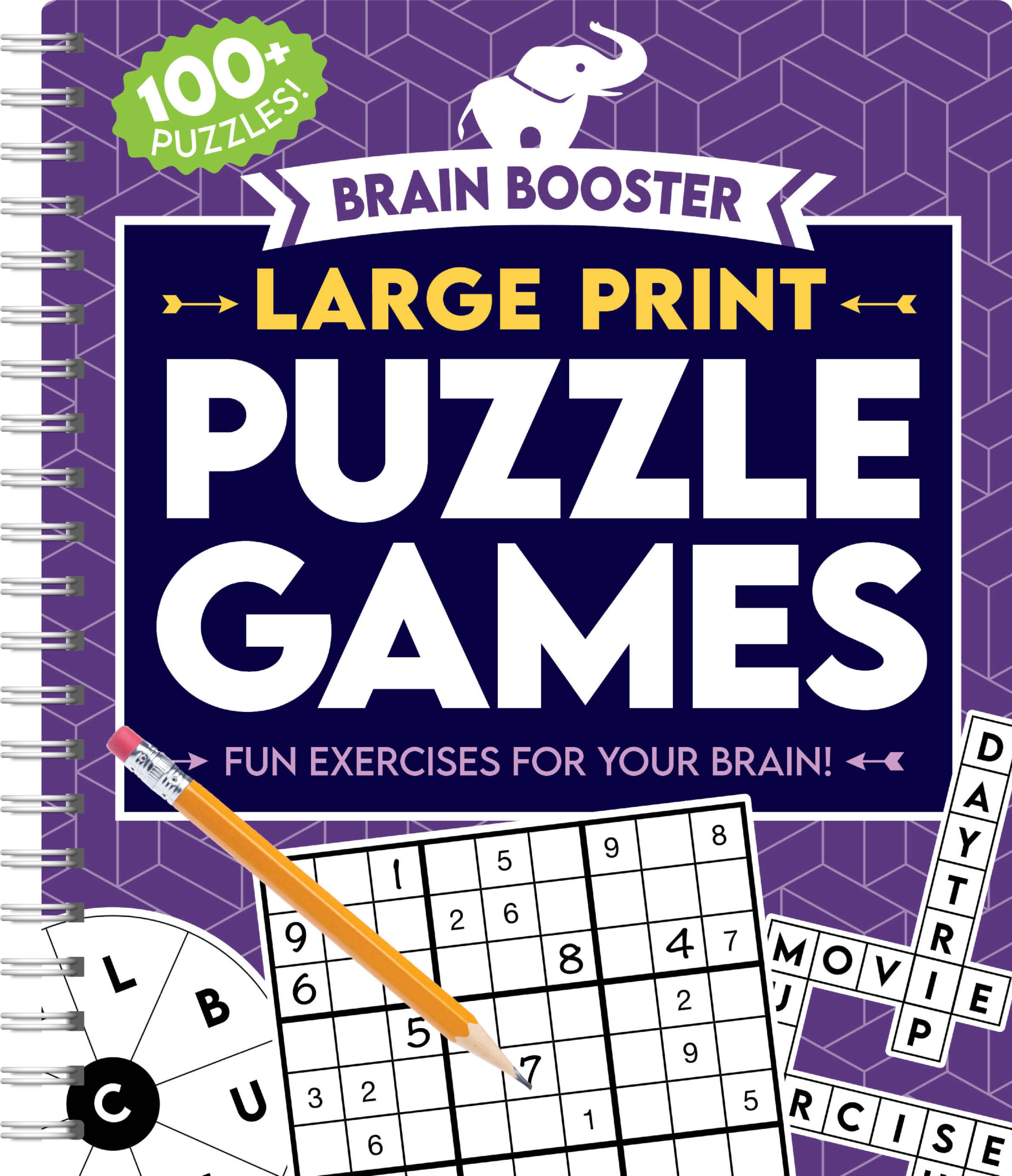
2. Sudoku
Sudoku is one of the world’s most popular logic puzzles.
Players fill number grids using deduction and reasoning skills.
Why Sudoku Is Effective – Brain-Boosting Puzzle Games for All Ages
Sudoku strengthens:
- Logical thinking
- Pattern recognition
- Focus
- Analytical reasoning
Best For
Older children, teenagers, and adults.
3. Chess
Chess combines strategy and puzzle-solving into one of the most respected brain games ever created.
Players must:
- Predict outcomes
- Plan ahead
- Analyze risks
- Adapt strategies
Educational Benefits
Chess improves:
- Problem-solving
- Memory
- Patience
- Strategic thinking
Research continues to show positive links between chess and academic performance in children. (chess.com)
4. Escape Room Puzzle Games
Escape room board games have become one of the fastest-growing puzzle trends in 2026.
Players solve:
- Clues
- Riddles
- Hidden patterns
- Logic challenges
before time runs out.
Why Families Love Them
Escape room games encourage:
- Teamwork
- Communication
- Creative thinking
- Collaborative problem-solving

5. Rubik’s Cube
The Rubik’s Cube remains one of the most iconic puzzle toys in the world.
Skills Developed
- Spatial awareness
- Memory
- Logical thinking
- Hand-eye coordination
Learning solving methods also encourages persistence and pattern recognition.
6. Crossword Puzzles
Crossword puzzles are excellent for language development and mental stimulation.
Benefits
Crosswords improve:
- Vocabulary
- Spelling
- Memory recall
- Verbal reasoning
Word puzzles are commonly recommended for maintaining cognitive activity throughout adulthood. (verywellmind.com)
7. Logic Board Games
Many modern board games focus heavily on puzzle-solving and strategic thinking.
Popular examples include:
- Azul
- Carcassonne
- Clue
- Mastermind
Educational Value
These games strengthen:
- Deductive reasoning
- Planning
- Observation
- Strategic decision-making
8. Tangram Puzzles
Tangram puzzles challenge players to arrange geometric pieces into specific shapes and designs.
Why They’re Great for Kids
Tangrams improve:
- Creativity
- Geometry understanding
- Spatial reasoning
- Visual problem-solving
These puzzles are widely used in educational environments because they combine math learning with creative play.
9. Memory Matching Games
Memory games are perfect for younger children and seniors because they help strengthen attention and recall abilities.
Benefits
Memory games improve:
- Focus
- Concentration
- Short-term memory
- Visual recognition
10. Digital Brain Training Apps
Modern educational puzzle apps combine technology with cognitive exercises.
Popular activities include:
- Pattern recognition
- Memory challenges
- Logic puzzles
- Math games
- Strategy challenges
Why They’re Popular
Brain-training apps provide convenient daily mental exercise for all age groups.
However, experts still recommend balancing digital puzzle games with physical and social puzzle activities. (psychologytoday.com)
Best Puzzle Games by Age Group
Toddlers (Ages 2–4)
Recommended puzzles:
- Shape sorters
- Matching games
- Large-piece jigsaw puzzles
Focus:
Motor skills, shape recognition, and memory.
Preschool and School Kids (Ages 5–12)
Recommended puzzles:
- Tangrams
- Logic games
- Rubik’s Cube
- Escape room puzzles
Focus:
Problem-solving, creativity, and critical thinking.
Teenagers and Adults
Recommended puzzles:
- Sudoku
- Chess
- Crossword puzzles
- Advanced strategy games
Focus:
Analytical reasoning, memory, and strategic planning.
Seniors
Recommended puzzles:
- Jigsaw puzzles
- Crossword puzzles
- Memory games
- Sudoku
Focus:
Cognitive maintenance and relaxation.
How to Choose the Best Puzzle Games
1. Match Difficulty to Skill Level
A puzzle should be challenging enough to encourage thinking without causing frustration.
Experts recommend gradually increasing complexity over time. (verywellmind.com)
2. Encourage Variety
Different puzzle types develop different cognitive abilities.
Examples:
- Logic puzzles improve reasoning
- Word puzzles strengthen language skills
- Spatial puzzles improve visual thinking
3. Choose Social Puzzle Games for Families
Cooperative puzzle games encourage:
- Communication
- Teamwork
- Shared learning experiences
Family puzzle activities can strengthen relationships while improving cognitive skills.
4. Balance Digital and Physical Puzzles
Both physical and digital puzzles offer benefits, but hands-on puzzle activities also support:
- Fine motor skills
- Social interaction
- Sensory learning
Trends in Puzzle Games for 2026
Puzzle games continue evolving with new technologies and immersive experiences.
Popular trends include:
- Augmented reality puzzles
- Escape room games
- STEM-inspired brain games
- AI-powered adaptive puzzles
- Educational logic games
- Hybrid digital-physical puzzle systems
Many modern puzzle games now combine storytelling, strategy, and collaboration for deeper engagement. (boardgamegeek.com)
Tips for Making Puzzle Time More Fun
To keep puzzle-solving enjoyable:
- Play together as a family
- Rotate puzzle types regularly
- Celebrate progress
- Avoid excessive pressure
- Mix easy and challenging puzzles
- Create relaxing puzzle routines
Experts often recommend using puzzle games as regular family activities to encourage learning and emotional bonding. (parents.com)
Final Thoughts
Brain-boosting puzzle games for all ages provide one of the best ways to combine entertainment, education, and mental exercise. These games strengthen memory, concentration, critical thinking, creativity, and emotional resilience while creating enjoyable experiences for children and adults alike.
Whether it’s a classic jigsaw puzzle, a strategic chess match, a challenging Sudoku puzzle, or an exciting escape room adventure, puzzle games continue to offer meaningful cognitive benefits in a fun and engaging format.
By including a variety of puzzle games in daily routines and family activities, parents and adults can support lifelong learning, brain health, and stronger social connections through play.
