Post, Pretend Play Toys
Why Every Playroom Needs a Kids Wooden Play Kitchen Set
May
Why Every Playroom Needs a Kids Wooden Play Kitchen Set
A child’s playroom is more than just a place for toys and games. It is an environment where imagination grows, creativity develops, and important life skills begin to form. Among the many educational toys available today, one timeless favorite continues to stand out: the kids wooden play kitchen set.
Wooden play kitchens have become one of the most popular additions to modern playrooms because they combine imaginative play, educational value, and stylish design into one interactive experience. Whether children are pretending to cook dinner, serve guests, or organize groceries, these playsets encourage creativity while helping kids develop social, emotional, and cognitive skills.
Unlike many electronic toys that provide passive entertainment, wooden play kitchen sets promote hands-on learning and open-ended play. They inspire children to explore real-world activities in a safe and fun environment while reducing excessive screen time.
Parents, teachers, and child development experts increasingly recognize the importance of pretend play in early childhood education. A wooden kitchen playset is not just another toy — it is a valuable learning tool that supports healthy childhood development in countless ways.

What Is a Kids Wooden Play Kitchen Set?
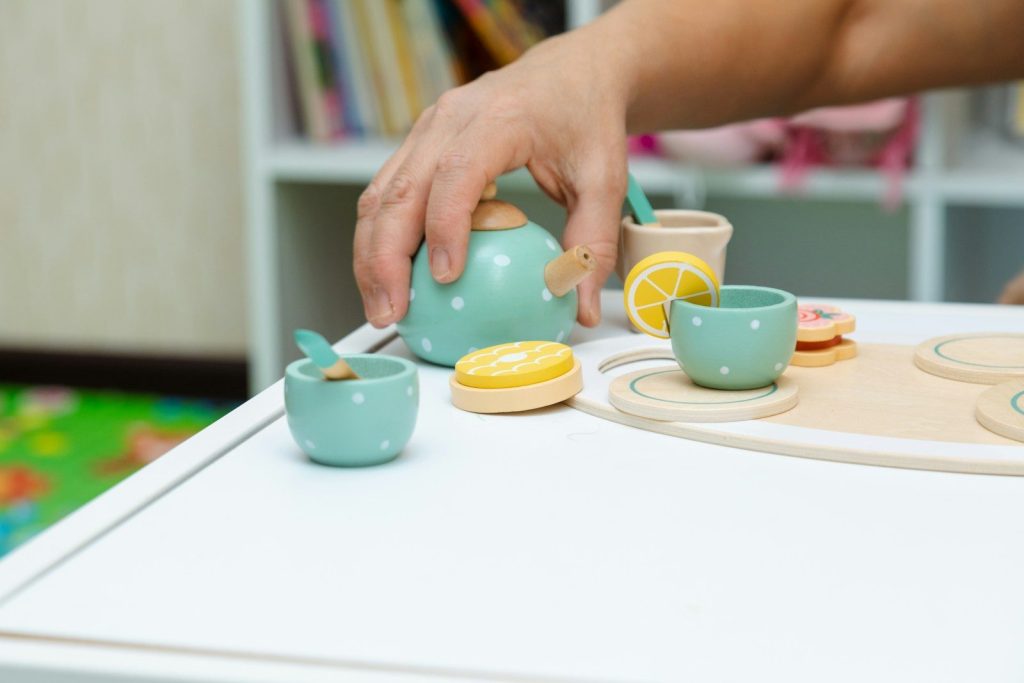
A kids wooden play kitchen set is a miniature pretend kitchen designed specifically for children. These interactive playsets often include realistic kitchen features such as:
- Ovens
- Sinks
- Cabinets
- Microwaves
- Refrigerators
- Stovetops
- Shelves
- Cooking accessories
Many modern wooden play kitchens also include interactive elements like turning knobs, clicking sounds, lights, storage compartments, and pretend cookware. Some premium models even feature realistic sinks, sound effects, and built-in play food accessories. (EU – Teamson)
Unlike plastic alternatives, wooden play kitchens are known for their durability, safety, and attractive appearance. Many parents prefer wooden designs because they blend beautifully into modern homes and provide long-lasting quality.
Encourages Imaginative Play
One of the biggest benefits of a wooden play kitchen is its ability to stimulate imagination and creativity.
Children naturally enjoy pretending to copy adult activities. Through roleplay, kids can become chefs, restaurant owners, parents, or bakers while inventing stories and scenarios during playtime.
Pretend cooking activities help children:
- Create imaginary situations
- Practice storytelling
- Develop creativity
- Explore emotions
- Build confidence
Open-ended toys like play kitchens allow children to control the direction of play, encouraging independent thinking and creative exploration.
According to many parents in online parenting communities, play kitchens often become some of the most frequently used toys in the home because children continuously invent new ways to play with them. (Reddit)
Helps Develop Social Skills
Wooden kitchen playsets encourage cooperative play and social interaction. Children often invite siblings, friends, or parents to participate in pretend cooking activities.
During roleplay, kids learn important communication and social skills such as:
- Sharing
- Taking turns
- Listening
- Teamwork
- Problem solving
- Expressing emotions
Pretend restaurant games, family dinners, and cooking scenarios help children practice real-world conversations and improve interpersonal skills naturally.
These experiences are especially valuable during early childhood development when communication abilities are rapidly growing.
Supports Cognitive Development
Pretend play is closely connected to cognitive growth and brain development. Wooden kitchen sets help children improve critical thinking through planning, organizing, and sequencing activities.
For example, children may:
- Gather pretend ingredients
- Prepare meals
- Serve food
- Clean dishes
- Organize kitchen accessories
These activities strengthen memory, logical thinking, and problem-solving abilities.
Interactive features such as rotating knobs, opening doors, and sorting accessories also help children understand cause-and-effect relationships.
Encourages Fine Motor Skills
Many activities within a play kitchen require hand coordination and precise movement, helping children strengthen fine motor skills.
Children practice motor development by:
- Turning knobs
- Opening cabinets
- Holding utensils
- Cutting pretend food
- Arranging dishes
- Carrying pots and pans
These physical interactions improve hand-eye coordination and finger control, which are important for writing, drawing, and daily tasks later in life.

Promotes Independent Learning
Kids wooden play kitchen sets encourage children to play independently and make their own decisions.
Unlike toys with strict instructions or limited outcomes, pretend kitchens allow children to explore freely at their own pace. This independence helps build self-confidence and decision-making skills.
Many Montessori-inspired parents appreciate wooden kitchen sets because they encourage self-directed exploration and practical life simulation. (GUANYI)
Reduces Screen Time
In today’s digital world, many parents are searching for ways to reduce excessive screen exposure for children. Wooden play kitchens provide an engaging screen-free alternative that keeps children entertained for long periods.
Instead of passive entertainment from tablets or televisions, children actively participate in imaginative and physical play.
Screen-free toys help encourage:
- Better focus
- Increased creativity
- Physical activity
- Social interaction
- Healthier play habits
This balance is increasingly important for supporting healthy childhood development.
Durable and Long-Lasting
One major advantage of wooden play kitchens is their durability. Compared to lightweight plastic toys, wooden sets are often more stable and long-lasting.
High-quality wooden kitchens are built to withstand years of active play and can often be passed down between siblings or generations.
Parents on parenting forums frequently mention that wooden kitchens remain in excellent condition even after years of use. (Reddit)
Many premium wooden play kitchens are also made from eco-friendly materials and non-toxic paints, making them safer and more environmentally friendly choices for families. (Play Kitchen)
Stylish Addition to Modern Playrooms
Modern wooden play kitchen sets are designed not only for children but also with home aesthetics in mind.
Unlike brightly colored plastic toys, many wooden kitchens feature neutral colors, minimalist designs, and realistic finishes that complement modern interior décor.
Some parents even choose play kitchens that match their real kitchens, creating a stylish and cohesive look within the home. (The Washington Post)
Important Features to Look For
When choosing a wooden play kitchen set, parents should consider several important factors.
Safety Features – Why Every Playroom Needs a Kids Wooden Play Kitchen Set
Safety should always come first. Look for:
- Rounded corners
- Non-toxic paint
- Durable construction
- Stable design
- Certified safety standards
Parents should also monitor product recalls and avoid unsafe designs with detachable hazards. (The Sun)
Storage Space
Many parents appreciate kitchen sets with built-in shelves and cabinets because they help organize accessories and reduce clutter.
Interactive Features
Realistic details such as clicking knobs, lights, sounds, and movable parts make playtime more immersive and enjoyable.
Appropriate Size
The kitchen should fit comfortably within the playroom while still being suitable for the child’s age and height.

Popular Wooden Play Kitchen Options
Several highly rated wooden play kitchens are popular among parents due to their durability, educational value, and realistic design.
| Feature | KidKraft Vintage Play Kitchen | ROBUD Wooden Pretend Play Kitchen Set for Kids | Tiny Land Honey Kitchenette Play Kitchen | Best Choice Products Pretend Play Cottage Kitchen Wooden Toy Set |
|---|---|---|---|---|
| Material | Wood | Wood | Wood | Wood |
| Interactive Features | Knobs, doors | Realistic appliances | Interactive cookware | Pretend accessories |
| Best For | Classic pretend play | Realistic roleplay | Modern playrooms | Budget-friendly option |
| Recommended Age | 3+ | 3+ | 3+ | 3+ |
| Style | Vintage | Modern | Minimalist | Cottage-inspired |
Conclusion
A kids wooden play kitchen set is far more than just a toy. It is an educational tool that supports creativity, imagination, social development, fine motor skills, and independent learning.
From encouraging pretend play and reducing screen time to improving communication and problem-solving abilities, wooden kitchen sets provide countless developmental benefits for young children.
Their durability, timeless design, and educational value make them one of the best investments parents can make for a child’s playroom. Whether used for solo adventures or cooperative family play, a wooden play kitchen creates endless opportunities for learning, creativity, and joyful childhood memories.
