STEM & Creative Building Toys, Post
Exploring the Invisible: Why Kids Microscope and Biology Kits are Essential
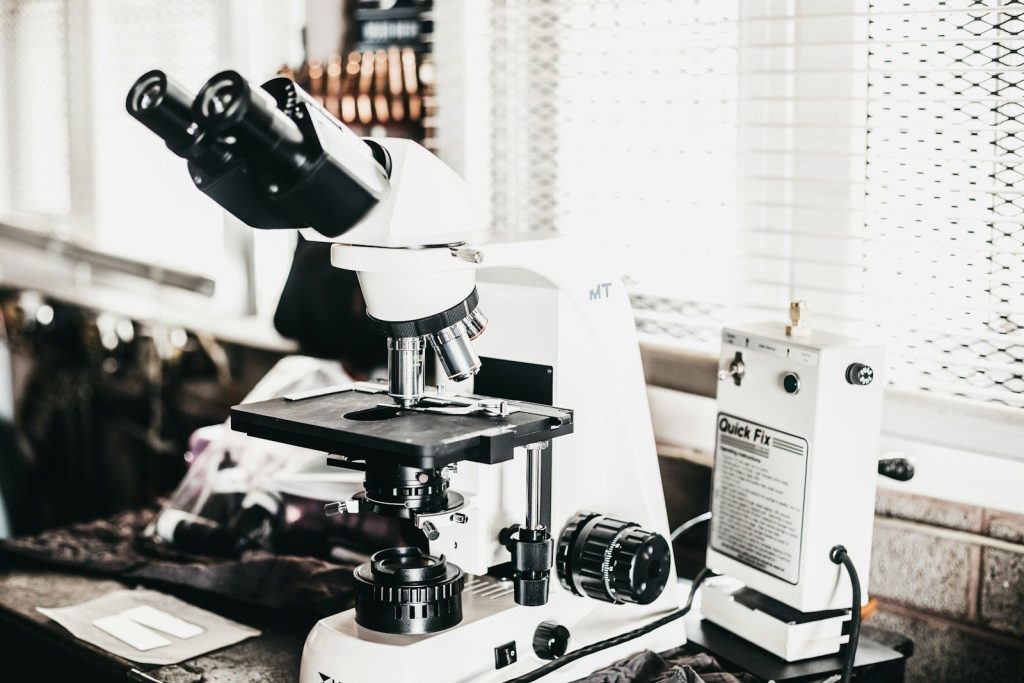
May
The Invisible Frontier: Why Kids Microscope and Biology Kits are Essential for Discovery
In the rapidly evolving educational landscape of 2026, where digital immersion often takes center stage, the value of physical, hands-on scientific exploration has never been higher. Kids microscope and biology kits for discovery are not merely toys; they are sophisticated instruments that serve as a bridge between the macroscopic world we inhabit and the microscopic universe that sustains all life. From the moment a child first peers through an eyepiece to witness the rhythmic pulse of a paramecium or the crystalline structure of a salt grain, their perspective on nature is permanently transformed.
For parents and educators, providing a high-quality microscope is a commitment to fostering scientific literacy. It encourages a shift from passive learning—reading about cells in a textbook—to active inquiry—seeing those cells live and in motion. This transition is vital for developing the critical thinking skills required in modern STEM fields. A microscope turns a simple backyard into a biological laboratory, where every leaf, drop of water, and speck of dust holds a secret waiting to be uncovered. In an era where 180°C heatwaves and ecological shifts are common topics, understanding the micro-foundations of our planet is more than a hobby; it is a necessity for the next generation of thinkers.
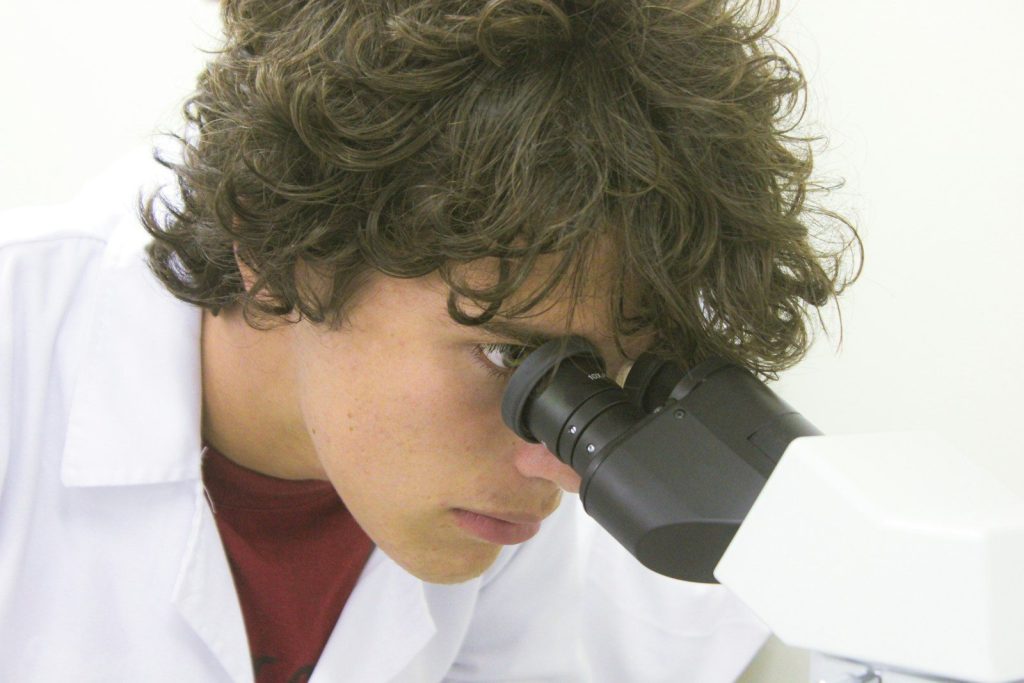
A microscope opens a door to a hidden dimension that sparks lifelong scientific curiosity.
The Physics of Sight: Understanding Magnification and Resolution
The core appeal of kids microscope and biology kits for discovery is the “wow factor” of magnification. However, true scientific discovery relies on a balance between magnification and resolution. While magnification makes an object appear larger, resolution is the ability of the lens system to distinguish two separate points as distinct entities. Without high resolution, high magnification only results in a “blurry” larger image.
The Mechanics of Optical Systems
Most advanced kits for children utilize a compound lens system, consisting of the objective lens (closest to the specimen) and the ocular lens (the eyepiece). The total magnification power is determined by a simple mathematical relationship:
$$Total\ Magnification = Magnification_{Objective} \times Magnification_{Ocular}$$
To ensure a clear view of intricate structures, such as the stomata on a leaf or the scales on a moth’s wing, the quality of the optical glass is paramount. Premium kits often feature achromatic lenses, which are specifically designed to minimize “chromatic aberration”—a common optical distortion where colors bleed at the edges of an object due to different wavelengths of light refracting at slightly different angles. By using 10% better optics, a child can see structures that would otherwise be invisible on cheaper plastic models.
Form Meets Function in Biology
Microscopy allows children to observe the fundamental biological principle that form follows function. When observing a honeybee’s leg at 400x magnification, a child can see the specialized “pollen basket” (corbicula). This visual evidence provides an immediate, visceral understanding of why bees are such efficient pollinators. This direct link between visual data and biological theory is the cornerstone of effective STEM education in 2026. It encourages children to move beyond “what” something is and start asking “why” it is built that way.
Seeing the microscopic details of nature provides proof of life’s incredible design.
Developing Professional Laboratory Discipline
Operating a microscope is a technical skill that requires precision, patience, and methodical care—traits that are universally valued in professional scientific environments. Kids microscope and biology kits for discovery act as a foundational course in laboratory discipline, moving beyond play into the realm of real science.
1. Mastering Slide Preparation
The most critical aspect of microscopy is often the preparation of the specimen itself. Comprehensive kits teach children various mounting techniques that require a steady hand and attention to detail:
- Dry Mount: Used for solid specimens like hair, synthetic fibers, or insect wings. This is the easiest method for beginners.
- Wet Mount: Essential for observing live microorganisms in pond water. Children learn to lower a cover slip at a 45-degree angle to avoid trapping air bubbles—a task that significantly refines fine motor skills.
- Staining: The use of safe dyes, such as Methylene Blue, allows young scientists to highlight cell nuclei, making the “control center” of the cell visible for the first time.
2. The Art of Focused Observation
In an age characterized by instant digital gratification, the slow, deliberate process of using coarse and fine adjustment knobs to bring a specimen into sharp focus is a valuable lesson in mindfulness. It teaches children that the most rewarding discoveries often require time and careful adjustment. It builds a psychological resilience where the “struggle” to see something clearly is rewarded by a breathtaking view of life’s architecture.
3. Scientific Documentation and Illustration
While many modern kits include smartphone adapters for digital photography, we still emphasize the importance of biological illustration. Drawing what one sees through the eyepiece forces the brain to process every structural detail, leading to significantly higher knowledge retention than simply clicking a camera shutter. It transitions the child from a tourist in the micro-world to a dedicated researcher.

Professional-grade tools empower children to conduct real field studies at home.
Comparative Guide: Selecting the Right Microscope
To ensure a frustration-free experience, it is vital to match the hardware to the child’s specific interests and developmental stage. Here is a comparison of the two primary types of microscopes found in kids microscope and biology kits for discovery:
| Feature | Compound Microscope | Stereo (Dissecting) Microscope |
|---|---|---|
| Best Used For | Individual cells, bacteria, and blood. | Rocks, insects, circuit boards, and coins. |
| Magnification Range | High (100x – 1200x). | Low (10x – 40x). |
| Specimen Type | Thin, translucent (light passes through). | Opaque, 3D objects. |
| Ease of Use | Requires slide preparation skills. | Plug-and-play; very intuitive. |
Maintenance and Stewardship of Scientific Tools
A high-performance microscope is a precision instrument that can last for decades if properly maintained. Kids microscope and biology kits for discovery provide an excellent opportunity to teach children about “Stewardship of Tools”—the responsibility that comes with owning professional equipment.
“A scientist is only as effective as their instruments. Keeping your lenses clear is the first step toward seeing the truth in nature.”
- Optical Hygiene: Never use abrasive materials like tissues or clothing to clean lenses.
- Mechanical Protection: Teach children to always rotate the objective turret back to the lowest power (the shortest lens) and lower the stage after every session. This prevents accidental damage to the glass slides and the lens itself.
- Dust Prevention: Dust is the primary enemy of optical clarity. Always use a dust cover when the microscope is not in active use to prevent particles from settling on the internal prisms.
Safety Guidelines for Young Researchers
While kids microscope and biology kits for discovery are designed with safety in mind, adult supervision is encouraged, especially during the setup phase. Ensure that children understand the safe handling of glass slides and cover slips, which can have sharp edges if broken. Additionally, while stains like Methylene Blue are non-toxic, they can permanently stain clothing and furniture, so a designated “lab area” with protective coverings is recommended. Always ensure the workstation is clean and that the microscope is placed on a stable, flat surface to prevent tipping.
Conclusion: From Small Cells to Big Dreams
Investing in kids microscope and biology kits for discovery at zixstory.com is far more than a purchase of a toy; it is an investment in your child’s cognitive future. It fosters a habit of looking closer, asking “why,” and seeking evidence—the very traits that define the world’s most successful researchers, doctors, and engineers. In 2026, let your child find wonder not in a virtual simulation, but in the pulsing, complex reality of life. Grab a kit, prepare a slide, and prepare to be amazed by the invisible!
Frequently Asked Questions (FAQ)
Q: Can we see bacteria with a kid’s microscope?
A: While some larger bacteria (like Bacillus) are visible at 1000x, they appear only as tiny dots. These kits are much more rewarding for observing plant cells, yeast, and larger microorganisms like Amoebas or Paramecia.
Q: What is the best age to start using a microscope?
A: We recommend 8+ years for compound microscopes due to the motor skills needed for slides. For younger children (5+), a stereo microscope is often more engaging as it doesn’t require complex slide prep.
Q: Can I use the microscope to see things on my skin?
A: Yes! Using a stereo microscope to look at your skin, fingerprints, or fingernails is a fascinating way to learn about human anatomy and personal hygiene.
Q: Are the slides in these kits made of real glass?
A: Most premium kids microscope and biology kits for discovery use real glass for superior clarity, though they often feature rounded “safety edges” to protect young fingers from cuts.
Q: How do I store my specimens?
A: You can create “permanent slides” using specialized mounting media (clear glue), but most beginners prefer “temporary wet mounts” which can be washed and reused for different specimens, keeping the discovery process ongoing.
