Electronic Learning Toys, Post
Screen-Free Tech: How Talking Phonics Posters Accelerate Reading
May
Screen-Free Tech: How Talking Phonics Posters Accelerate Reading
In today’s digital world, children are surrounded by screens from an early age. Tablets, smartphones, televisions, and computers have become common tools for both entertainment and education. However, many parents and educators are now searching for healthier and more balanced learning alternatives that reduce screen time while still supporting early childhood development. One educational innovation gaining popularity is the talking phonics poster.
Talking phonics posters combine interactive learning with screen-free technology, helping children develop essential reading and language skills in a fun, engaging, and effective way. These educational tools are transforming early literacy education by making phonics learning more interactive without relying on digital screens.
From improving pronunciation and letter recognition to accelerating reading fluency, talking phonics posters provide numerous benefits for young learners. As concerns about excessive screen exposure continue to grow, these interactive educational posters are becoming valuable tools in homes, classrooms, and homeschooling environments.
What Is a Talking Phonics Poster?
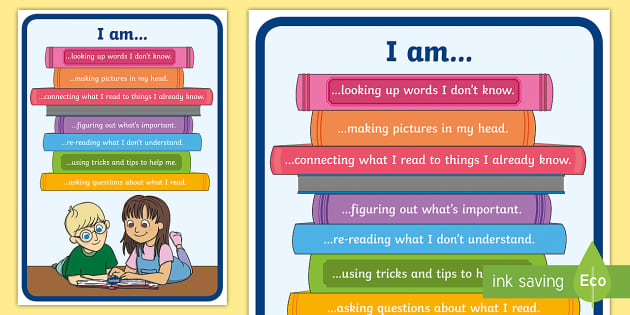
A talking phonics poster is an interactive educational chart designed to teach children phonics, alphabet recognition, vocabulary, spelling, and basic reading skills through sound and touch interaction. These posters usually feature colorful letters, words, pictures, and audio buttons that produce sounds when touched.
Most talking phonics posters include:
- Alphabet pronunciation
- Letter sounds
- Vocabulary words
- Music and songs
- Spelling games
- Interactive quizzes
- Reading activities
Unlike tablets or smartphones, talking phonics posters do not require internet access, apps, or extended screen exposure. Children can physically interact with the poster while listening to clear audio instructions and educational content.
This hands-on learning experience helps young learners stay focused and engaged while developing foundational literacy skills naturally.
Why Screen-Free Learning Matters
Technology has created many educational opportunities, but excessive screen time can negatively affect children’s health and development. Experts often recommend balancing digital learning with physical and interactive educational activities.
Screen-free educational tools like talking phonics posters offer several important advantages.
Reduces Eye Strain and Screen Fatigue – Screen-Free Tech:
Extended screen exposure can lead to eye strain, headaches, and fatigue in children. Talking phonics posters eliminate the need for staring at bright screens while still providing interactive educational experiences.
Children can learn comfortably without experiencing the physical discomfort often associated with prolonged device usage.
Encourages Active Participation
Many digital learning apps encourage passive interaction, where children simply tap or swipe repeatedly. Talking phonics posters promote more active participation by encouraging children to stand, point, touch, repeat sounds, and physically engage with learning materials.
This movement-based learning approach improves concentration and memory retention.
Minimizes Digital Distractions
Smartphones and tablets often expose children to distractions such as games, advertisements, notifications, and unrelated content. Talking phonics posters provide a focused learning environment without interruptions.
Children can fully concentrate on developing reading skills without being distracted by entertainment apps or online content.
How Talking Phonics Posters Accelerate Reading Skills
Phonics plays a critical role in early literacy development. Children who understand phonics can decode words more effectively, leading to stronger reading fluency and comprehension. Talking phonics posters support this process in several powerful ways.
Strengthens Letter Recognition
One of the first steps in learning to read is recognizing letters and understanding their sounds. Talking phonics posters repeatedly introduce children to the alphabet using visual images and audio pronunciation.
By hearing and seeing letters simultaneously, children build stronger connections between symbols and sounds. This repetition improves letter recognition speed and accuracy.
Improves Pronunciation and Phonemic Awareness
Phonemic awareness refers to the ability to hear and identify individual sounds within words. Talking phonics posters help children develop this essential skill through clear pronunciation and interactive sound exercises.
Children can press letters or words multiple times to hear proper pronunciation repeatedly, helping them master difficult sounds and improve speech development.
Strong phonemic awareness directly contributes to better reading fluency and spelling abilities later in life.

Builds Vocabulary Naturally
Many talking phonics posters introduce vocabulary words alongside images and sounds. For example, children may hear “A is for Apple” while seeing a picture of an apple.
This multi-sensory learning process helps children remember new vocabulary more effectively and improves language comprehension.
Over time, children build stronger communication skills and become more confident readers.
Encourages Independent Learning
Talking phonics posters allow children to explore and learn independently without constant supervision. Kids can repeat sounds, practice letters, and complete activities at their own pace.
This independence encourages self-confidence and creates positive learning habits from an early age.
Children often enjoy revisiting favorite sounds, songs, and games repeatedly, reinforcing important literacy concepts through repetition.
Makes Reading Fun and Interactive
Young children learn best through play and interaction. Talking phonics posters turn reading practice into an exciting educational activity instead of a stressful task.
Interactive features such as music, quizzes, sound effects, and games keep children motivated and engaged for longer periods.
When learning feels enjoyable, children develop a more positive attitude toward reading and education overall.
Benefits for Parents and Teachers
Talking phonics posters provide practical advantages not only for children but also for parents and educators.
Easy to Use
Most talking phonics posters are simple to operate and require minimal setup. Parents and teachers can quickly introduce them into daily learning routines without technical complications.
Affordable Educational Tool
Compared to tablets, laptops, or advanced educational devices, talking phonics posters are often more affordable while still delivering significant educational value.
This makes them accessible to families and schools with different budgets.
Supports Classroom Learning
Teachers frequently use talking phonics posters in preschool and kindergarten classrooms to reinforce phonics lessons and improve group participation.
The interactive audio features help maintain student attention and encourage collaborative learning activities.
Great for Homeschooling
Homeschooling parents appreciate talking phonics posters because they provide structured educational support without requiring extensive teaching experience.
Children can practice reading skills independently while parents monitor progress.
Features to Look for in a High-Quality Talking Phonics Poster
Choosing the right phonics poster can significantly impact a child’s learning experience. Important features include:
Clear Audio Quality
Accurate pronunciation and high-quality sound are essential for effective phonics learning.
Interactive Learning Modes
The best posters include games, quizzes, spelling activities, and multiple learning options to keep children engaged.
Durable Materials
Children interact with these posters frequently, so durable construction is important for long-term use.
Colorful Visual Design
Bright colors and attractive illustrations help capture children’s attention and improve visual learning.
Volume Control and Portability
Adjustable volume and lightweight designs make talking phonics posters suitable for home, school, and travel use.
The Future of Screen-Free Educational Technology
As awareness about healthy technology habits continues to grow, screen-free educational products are becoming increasingly valuable. Parents and educators are recognizing the importance of balancing digital learning with physical interaction and hands-on educational experiences.
Talking phonics posters represent an important trend in modern education by combining technology with traditional learning principles. They provide interactive learning without the risks associated with excessive screen exposure.
Future educational tools will likely continue blending smart audio technology with screen-free designs to support healthier childhood development.
Conclusion
Talking phonics posters are transforming early literacy education by offering an engaging, interactive, and screen-free way for children to learn reading skills. Through sound, touch, repetition, and hands-on participation, these educational tools help children improve phonics understanding, pronunciation, vocabulary, and reading fluency more effectively.
In a world increasingly dominated by digital screens, talking phonics posters provide a healthier alternative that encourages active learning, reduces distractions, and supports cognitive development.
Whether used at home, in classrooms, or during homeschooling sessions, talking phonics posters remain one of the most effective educational tools for accelerating reading success while promoting balanced technology use for young learners.
