Post, Educational Puzzles & Board Games
Building Social Skills with the Best Beginner Board Games for Kids
May
Building Social Skills with the Best Beginner Board Games for Kids
In today’s digital age, children are increasingly drawn toward screens for entertainment. While technology offers many benefits, it often limits opportunities for face-to-face interaction. This is why bringing back family game night has never been more valuable. Among the many options available, beginner board games for kids stand out as one of the most effective tools for developing social skills in a fun and engaging way.
Unlike solo activities, board games create a shared experience. They encourage children to interact, communicate, and cooperate with others. Whether it’s racing to the finish line, collecting matching cards, or working together to achieve a common goal, these games turn simple playtime into meaningful social learning.
More importantly, beginner board games for kids provide a structured environment where children can practice real-life skills. They learn how to follow rules, wait for their turn, handle winning and losing, and communicate their thoughts clearly. These are essential abilities that will benefit them not only in school but throughout their entire lives.

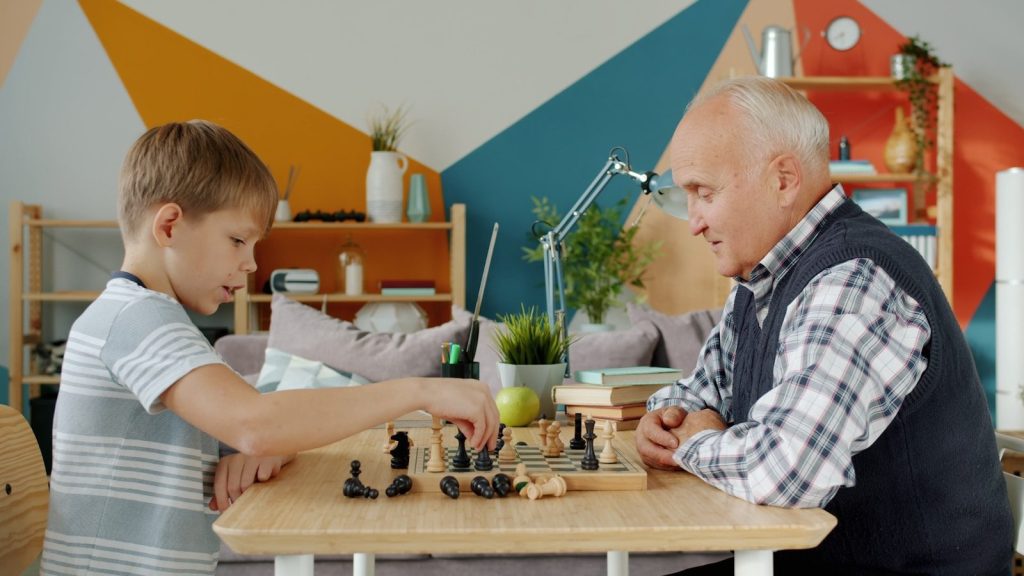
Board games create meaningful family connections while teaching essential life skills.
By introducing beginner board games for kids into your weekly routine, you are doing more than just filling time—you are building a strong foundation for emotional intelligence, cooperation, and critical thinking. Let’s explore how these simple games can have such a powerful impact.
The Social Classroom: Learning Rules and Etiquette
Every board game operates within a set of rules. For children, understanding and respecting these rules is an important developmental milestone. Beginner board games for kids teach that rules are not restrictions, but rather the structure that makes fair play possible.
When children follow game rules, they learn about boundaries, fairness, and accountability. They begin to understand that everyone must play by the same standards, which fosters a sense of justice and respect for others.
1. Mastering the Art of Taking Turns
Patience is a skill that takes time to develop—especially in a world where everything is instantly available. Beginner board games for kids naturally teach children to wait their turn. While waiting, they observe others, think ahead, and plan their next move.
This simple act of turn-taking has significant real-world applications. In school, children must wait to speak, share resources, and listen to others. Board games provide a safe and controlled way to practice these behaviors, making the transition to classroom settings much smoother.
2. Learning to Communicate Effectively
Board games often require players to explain their moves, ask questions, or respond to others. This interaction helps children develop communication skills. They learn how to express their ideas clearly, listen actively, and respond appropriately.
For shy children, beginner board games for kids can be especially beneficial. The structured nature of the game gives them a clear role and reduces social pressure, making it easier to participate and build confidence.
3. Gracious Winning and Losing
One of the most valuable lessons board games teach is how to handle emotions. Winning feels exciting, while losing can be frustrating—especially for younger children. Beginner board games for kids create a low-pressure environment where these emotions can be experienced and managed.
Parents and caregivers play a crucial role here. By modeling positive behavior—such as saying “Good game!” or showing appreciation for others—children learn sportsmanship. Over time, they develop resilience, empathy, and emotional control.
Cognitive Growth: Math, Memory, and Strategy
While the social benefits are clear, beginner board games for kids also provide strong cognitive advantages. Many games are designed to reinforce essential academic skills without feeling like traditional learning.
Here are some of the key cognitive benefits:
- Early Numeracy Skills: Rolling dice, counting spaces, and recognizing numbers help children build a solid math foundation. Concepts like addition and number recognition become second nature.
- Memory Development: Matching games and card-based activities strengthen working memory and concentration. Children learn to remember patterns, positions, and sequences.
- Problem-Solving: Even simple decisions—like choosing a path or selecting a card—encourage logical thinking and decision-making.
- Strategic Thinking: As children grow, they begin to plan ahead. They learn to anticipate outcomes and adjust their strategies accordingly.
Because these skills are learned through play, children remain engaged and motivated. Learning becomes a natural byproduct of having fun.

Bright colors and tactile pieces make learning interactive and enjoyable.
Encouraging Family Bonding and Quality Time
One often overlooked benefit of beginner board games for kids is the opportunity for family bonding. In busy households, it can be difficult to find time for meaningful interaction. Board games provide a simple yet effective way to bring everyone together.
During a game, families laugh, talk, and share experiences. These moments strengthen relationships and create lasting memories. Children feel valued and connected, which contributes to their emotional well-being.
Additionally, playing together allows parents to guide behavior and reinforce positive habits in a natural setting. Lessons about fairness, patience, and kindness are learned organically, without the need for formal instruction.
Choosing the Right Board Game for Your Child
Selecting the right game is essential for a positive experience. Not all beginner board games for kids are suitable for every age group, so it’s important to consider your child’s developmental stage.
Here are some guidelines to help you choose:
- Ages 3,0–4,0: Look for simple games with bright colors, large pieces, and minimal rules. Cooperative games are ideal at this stage, as they reduce competition and focus on teamwork.
- Ages 5,0–6,0: Children can handle slightly more complex rules and enjoy light competition. Choose games with short playtimes (15,0–20,0 minutes) to match their attention span.
- Ages 7,0 and up: At this stage, children can engage in strategic thinking and enjoy more challenging gameplay.
Other important factors include durability, safety, and ease of setup. High-quality materials and clear instructions will ensure a smoother and more enjoyable experience.
Tips for a Successful Game Night
To maximize the benefits of beginner board games for kids, consider the following tips:
- Keep sessions short and fun to maintain interest
- Focus on enjoyment rather than winning
- Encourage positive behavior and good sportsmanship
- Be patient and supportive, especially with younger children
Remember, the goal is not perfection—it’s connection and learning through play.
Conclusion
Beginner board games for kids are far more than simple развлечения—they are powerful tools for development. They teach social skills, enhance cognitive abilities, and strengthen family relationships, all while keeping children entertained.
In a world dominated by screens, these games offer a refreshing and meaningful alternative. They bring people together, spark conversation, and create opportunities for growth.
By introducing beginner board games for kids into your home, you are investing in your child’s future—helping them become confident, thoughtful, and socially aware individuals. So gather around the table, roll the dice, and let the learning begin!
Frequently Asked Questions (FAQ)
Q: What is the best age to start board games?
A: Most children can begin with simple beginner board games for kids at around 3,0 years old. Choose games that focus on colors, shapes, and basic counting.
Q: My child gets upset when losing. What should I do?
A: This is completely normal. Use it as a teaching moment. Acknowledge their feelings and model positive behavior. Cooperative games can also help ease the transition into competitive play.
Q: How long should a game last?
A: For beginners, games lasting 10,0–20,0 minutes are ideal to maintain focus and enjoyment.
Q: Can board games improve academic skills?
A: Yes! Many beginner board games for kids reinforce math, memory, reading, and problem-solving skills in a fun and engaging way.
